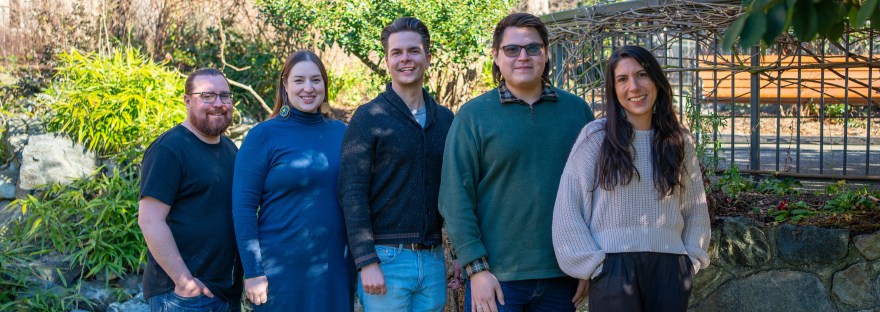
In April 2024, an Indigenous-led research team, helmed by Dr. Jobin and based at the University of Alberta’s Faculty of Native Studies, launched a SSHRC-funded, six-year (2024–2030) research network project entitled Critical Approaches to Indigenous Relationality (CAIR). This initiative, supported through the Partnership Grants program, is animated by an overarching research question: What contribution does Indigenous relationality make towards knowledges and societies?
The CAIR project was developed to address the challenges Indigenous peoples face both within and beyond the academy. It creates spaces that embrace the diversity of Indigenous thought in Canada and around the world, offering opportunities to connect overlapping and divergent Indigenous philosophies. CAIR fills a need for place-based and contextualized understandings of relationality—representing persons, peoples, communities, and places through the co-constitutive connections that make them/us who they/we are.
To operationalize these understandings, CAIR brings together scholars, students, and community partners to engage in collaborative, applied inquiry across localized and broader social scales. The project advances this work through three core objectives:
- Strengthen Indigenous research networks to support local, regional, and intersocietal knowledge exchange.
- Deploy a decentralized research program to theorize relational practices, pedagogies, and methodologies.
- Advance innovative knowledge-mobilization techniques focused on societal engagement.
The primary mechanism for addressing these objectives is in supporting 25 thematic research projects (TRPs) led by Indigenous and non-Indigenous researchers from across Canada and the US. These projects span 1–5 years and generally fall into one of three core themes:
- Theorizing and transforming Indigenous governance systems
- Critical, local, and global approaches to Indigenous relationality
- Honouring our elders and training our youth through intergenerational knowledge transfer
For more information about the CAIR Project, visit our project website at https://www.prairierelationality.ca/cair-homepage

